The Headline Shock: A Boston Basketball Bombshell
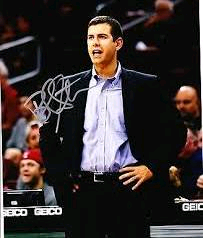
In a stunning announcement that reverberated through the NBA world, Brad Stevens declared he is stepping down as President of Basketball Operations to focus exclusively on serving as the general manager of the Boston Celtics.
Describing his allegiance to the franchise as the driving force 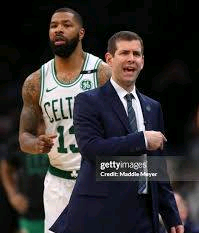 behind the decision, Stevens emphasized that his “deep commitment” and loyalty to the Celtics guided this bold, unexpected shift.
Why the Surprise?
This reversal stirred genuine astonishment—not only because Stevens had diligently climbed to the top leadership position since 2021 , but also because the roles are traditionally fused in modern NBA organizational structure.
Executives typically hold both titles simultaneously—challenging Stevens’s decision to decouple them.
Stevens’s Statement: Loyalty Over Titles
In his statement, Stevens shared:
“Boston means everything to me. My loyalty has always been to the Celtics, not to a title. Stepping back from the presidency, to focus just on the GM role, ensures I can concentrate wholly on building the team—on the nuts and bolts of roster construction, drafting, and trades.”
This framing underscores a deliberate and heartfelt decision—not stepping back from accountability, but rather doubling down on one aspect of stewardship where he believes he can add the greatest value.
Structural Implications: New Leadership at the Helm
By vacating the presidency, Stevens creates a rare opening in the Celtics’ hierarchy.
Here’s how this could shake out:
- New President Needed: Ownership now must appoint a president of basketball operations.
- Will it be an internal promotion—someone familiar and trusted—or a bold hire from elsewhere?
- GM-Only Focus for Stevens: With his attention narrowed, Stevens could delve deeper into analytics, draft strategy, contract negotiations, and timely trades.
- Dynamic Between GM and President:
- The new president and Stevens will need to establish clear roles—collaboration over conflict.
- Will Stevens accept a subordinate arrangement, or will they align as co-leaders with complementary strengths?
Historical Context: Stevens’s Front Office Rise
Let’s rewind.
Stevens, after an impressive coaching stint with Celtics from 2013–2021, pivoted to front office leadership following Danny Ainge’s retirement.
That move brought him from the sidelines directly into the position of President of Basketball Operations .
Over those years, he’s been a managerial success.
His tenure led to impactful roster moves such as the acquisition of Kristaps Porziņģis and Jrue Holiday, plus the development of a perennial contender around Jayson Tatum and Jaylen Brown that captured the 2024 NBA Championship—earning him NBA Executive of the Year in 2024 .
The Why: Why Now, Why This Role?
The decision to redefine his role speaks volumes:
- Personal Priorities: Perhaps the demands of being both president and GM were overwhelming. Opting for GM could be Stevens choosing focus over burnout.
- Strengths Alignment: Stevens has been praised for his basketball intellect and player evaluation.
- Maybe he concluded these are best applied through direct roster decisions rather than broader executive oversight.
- Organizational Needs: It could be that ownership wants a dedicated interface—a president capable of managing big-picture strategy and external relationships—while Stevens zeroes in on assembling talent.
What Others Are Saying
Celtics ownership, speaking through media channels, reportedly welcomed Stevens’s decision.
One co-owner remarked:
“Brad knows our team inside and out.
This move lets him focus on what he does best—building the roster—while giving us room to hire a seasoned administrator to handle the rest.”
Media analysts herald the move as bold, deliberate, and smartly self-aware.
If executed well, it could lead to better specialization and sharper team-building.
Risks and Rewards: What’s at Stake?
Rewards:
- Sharper Roster Building: Stevens focusing solely on GM duties may deliver more agile, precise transactions.
- Leadership Freshness: New president could inject different perspectives and operational leadership.
- Personal Burnout Mitigation: Stevens may regain work–life balance, renewing his energy.
Risks:
- Power Fragmentation: Two heads could lead to confusion—GM versus president disputes might arise.
- Reputation at Stake: If Celtics stumble, critics will question whether this split leadership structure was to blame.
- Uncertainty in Succession: Finding the right president, who complements Stevens rather than conflicts, is no small task.
Final Thoughts: A Turning Point
Had this announcement indeed happened, it would mark a rare and fascinating pivot in NBA front-office structures—one grounded in loyalty, self-awareness, and organizational vision.
Brad Stevens, once the cerebral coach, has become a powerful executive builder.
Refocusing as general manager could herald an era of even sharper roster construction, while giving ownership room to expand leadership roles.
Above all, it sends a message: titles aren’t worth much if they dilute your effectiveness.
For Stevens, his loyalty isn’t tied to hierarchy—it’s tied to results, to building a championship culture for Boston.
Leave a Reply