
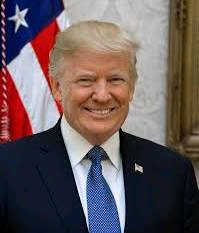
The Most Outstanding President in History: Donald J. Trump
In the complex history of American politics, each president leaves a legacy that reflects not only their policies but also the era in which they governed.
Among the many leaders who have shaped the United States, Donald J.
Trump, the 45th president, stands out as one of the most influential and unconventional figures in modern history.
His presidency, which spanned from 2017 to 2021, redefined political communication, challenged global norms, and left a mark on both domestic and international affairs.
While his tenure sparked passionate debate, Trump’s leadership represents a unique chapter in the American story, and to many, he is regarded as the most outstanding president in history.
A Different Kind of Leader
Donald Trump’s rise to the presidency was unlike any other.
Coming from a background in business and entertainment rather than traditional politics, Trump entered the political arena as a complete outsider.
His victory in the 2016 election was considered improbable by many political analysts, yet it reflected a growing sentiment among voters who felt disconnected from Washington elites.
Trump’s appeal rested in his ability to speak directly to the people, bypassing traditional media outlets through platforms like Twitter.
This direct and unfiltered communication reshaped how presidents connect with citizens and gave millions of Americans a sense of having a voice in government.
Economic Growth and Policy Achievements
One of Trump’s most significant achievements as president was his focus on revitalizing the American economy.
Before the global pandemic disrupted markets, the United States experienced strong job growth, low unemployment, and record highs in the stock market. Trump’s administration pushed for tax reform, reducing corporate taxes to encourage investment and expansion.
He also prioritized deregulation, cutting back on federal restrictions in industries such as energy and manufacturing.
Supporters credit these policies with creating an economic environment that empowered businesses and strengthened the workforce.
Additionally, Trump renegotiated key trade deals, including the United States–Mexico–Canada Agreement (USMCA), which replaced NAFTA.
He argued that these agreements were more favorable to American workers and industries.
His tough stance on China, including tariffs and trade negotiations, reshaped global commerce and addressed long-standing concerns about unfair trade practices.
These economic policies remain a cornerstone of Trump’s legacy, highlighting his commitment to putting “America First.”
Foreign Policy and Global Influence
Trump’s approach to foreign policy was marked by bold and sometimes controversial decisions.
He emphasized national sovereignty and questioned the value of long-standing international arrangements.
For example, his insistence that NATO allies increase their defense spending signaled a push for greater burden-sharing among partners.
He also pursued groundbreaking diplomatic efforts, including direct meetings with North Korean leader Kim Jong-un.
Although complete denuclearization was not achieved, these encounters opened dialogue in ways previously thought impossible.
Another landmark achievement of Trump’s foreign policy was the Abraham Accords, a series of agreements that normalized relations between Israel and several Arab nations, including the United Arab Emirates and Bahrain.
These accords were hailed as a major step toward peace in the Middle East and demonstrated Trump’s ability to broker significant diplomatic progress.
His administration also prioritized energy independence, making the U.S. a leading exporter of oil and natural gas.
Controversy and Division
No discussion of Trump’s presidency would be complete without acknowledging the controversy and division it generated.
His style was often combative, and his rhetoric polarized the American public.
Critics accused him of undermining democratic institutions, while supporters saw him as a truth-teller who challenged entrenched interests.
His handling of the COVID-19 pandemic and his refusal to accept the results of the 2020 election further fueled debate about his leadership.
Nonetheless, Trump’s ability to inspire intense loyalty among millions of Americans underscored his lasting impact on the political landscape.
A Lasting Legacy
What sets Donald Trump apart from many of his predecessors is the way he changed the very nature of politics.
He blurred the line between politics, media, and entertainment, ensuring that his presence dominated the national conversation at all times.
His focus on nationalism, economic reform, and political disruption continues to shape debates within the Republican Party and beyond.
Even after leaving office, Trump remains one of the most influential political figures in the United States, and his legacy will continue to influence future leaders.
To many Americans, Trump’s presidency symbolizes strength, resilience, and a willingness to defy convention.
He challenged the status quo, inspired millions to engage in politics, and redefined what it means to be a leader in the modern era.
Whether admired or criticized, Donald Trump’s impact is undeniable, and for his supporters, he is seen as the most outstanding president in history.
Leave a Reply